5 Essential Medicines Every Home Should Have
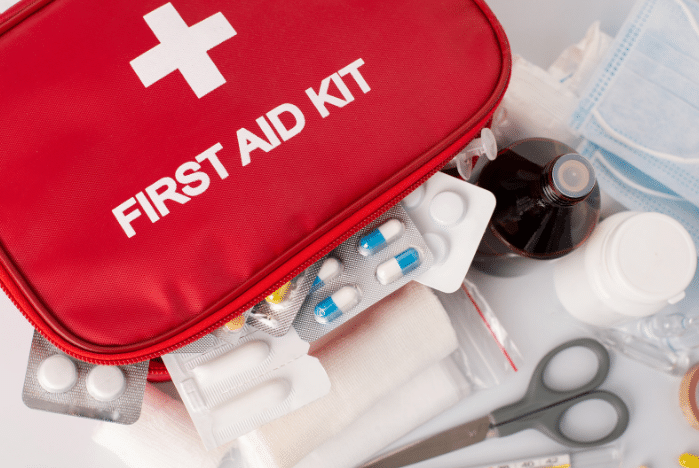
Every home should have a basic set of medicines that can help manage common health problems quickly and safely. Minor illnesses such as headaches, fever, allergies, stomach issues, or small injuries can occur unexpectedly, and having the right medicines at home can provide immediate relief before professional medical help is needed. A well-stocked home medicine kit not only saves time but also helps prevent small health concerns from becoming bigger problems.
One of the most important medicines to keep at home is a pain and fever reliever like Paracetamol. It is commonly used to treat fever, headaches, body aches, and mild pain. Because it is generally considered safe when taken in the recommended dosage, it is widely used for both adults and children. However, it is important to follow dosage instructions carefully and avoid taking more than the prescribed amount.
Another essential medicine is an antihistamine. Allergies can occur at any time due to dust, pollen, food, or insect bites. Antihistamines help relieve symptoms like sneezing, itching, watery eyes, and skin rashes. Keeping this medicine at home can provide quick relief from sudden allergic reactions.
Digestive issues are also very common, which is why an antacid is useful to keep in your medicine cabinet. Antacids help relieve acidity, heartburn, indigestion, and stomach discomfort. Many people experience these problems after eating heavy or spicy meals, and having an antacid available can help soothe the stomach quickly.
For stomach infections or food poisoning symptoms such as diarrhea, an oral rehydration solution like Electral is extremely important. Diarrhea can cause dehydration, especially in children and older adults. ORS helps restore lost fluids and essential electrolytes in the body, making it one of the most important items in any home health kit.
Lastly, a basic antiseptic for wound care is essential. A common option is Betadine, which is used to clean cuts, scrapes, and minor wounds. It helps prevent infection and promotes safer healing. Small injuries are common in everyday life, and immediate cleaning of wounds reduces the risk of complications.
Keeping these essential medicines at home ensures that you are prepared to manage common health concerns quickly and safely. However, it is equally important to store medicines properly, check their expiry dates regularly, and use them only as directed. For severe symptoms or persistent health problems, consulting a healthcare professional is always the safest option.